diamond (mineral)
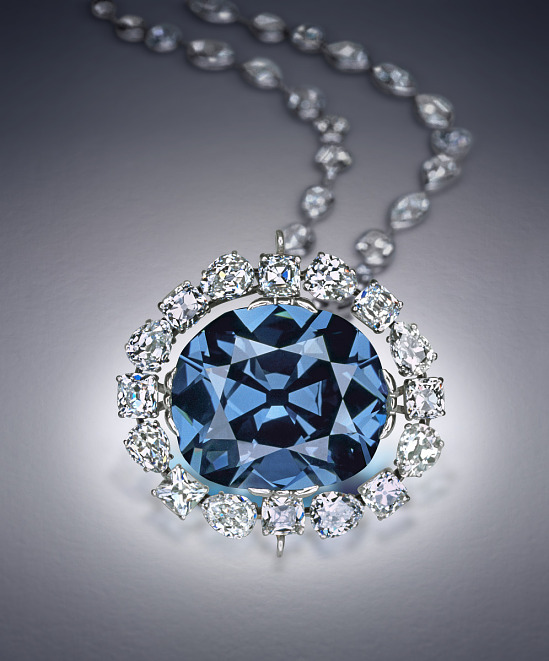
Creator: Natural; Altered multiple times
Materials: Diamond
Place of Birth: Kollur mine in Golconda, India
Birth Date: c. 1660
Death Date: N/A
Current Location: The National Gem and Mineral collection at the National Museum of Natural History in Washington, D.C.
Introduction
- Introduction to object (What is it? Where is it from? Why is it interesting?)
- Compelling hook (Little-known fact, mystery, detail)
- Broader question: What can the material lifecycle of this object tell us about the people and culture that created and used it?
Creation
- Material source (Locally sourced? Imported? Rare? Synthetic?)
- How are materials processed historically or normally?
- Creator (Who? Handmade? Mass-produced? Ritualistically crafted?)
- Who made the object? Was it handmade, mass-produced, ritualistically crafted?
- Technique/Tools/Style
Early Life
- Original use (Why was it created? Who used it — elite, commoners, clergy?)
- Effect on others (status symbol, utility, magical, disposable?)
Middle Life
- Changes in provenance between creation/original owner and where it is today (could be a long section)
- How did it age over time? (Were there signs of wear, mending, adaptation?)
- Was it repurposed into another object or context later in its life?
Death/Final Resting Place
- How and why did it stop being used?
- Archaeological or archival recovery?
- Where is it today? (Buried?, discarded?, forgotten?, carefully preserved?)
- Where is the object now? Museum, private collection, missing?
- Materials and degradation analysis
Reflection Today
- How has it been interpreted or misunderstood over time?
- Does it inspire contemporary practices or materials research?
- Famous stories?
- What does this object’s lifecycle reveal about:
— — — — — — — — -Sustainability in history?
— — — — — — — — -Shifting values over time?
— — — — — — — — -The human relationship with materials?
Final Questions and Thoughts
Other
- Photos (Current state, archival images, x-rays, microscopic views, or diagrams…)
- Maps (Trade routes or origins)
- Infographics (Lifecycle timeline or material composition)
 Marilyn Ray
Leave a comment